Wine country · Central Kefalonia
Robola Wine & the Omala Valley
Ρομπόλα · Ομαλά
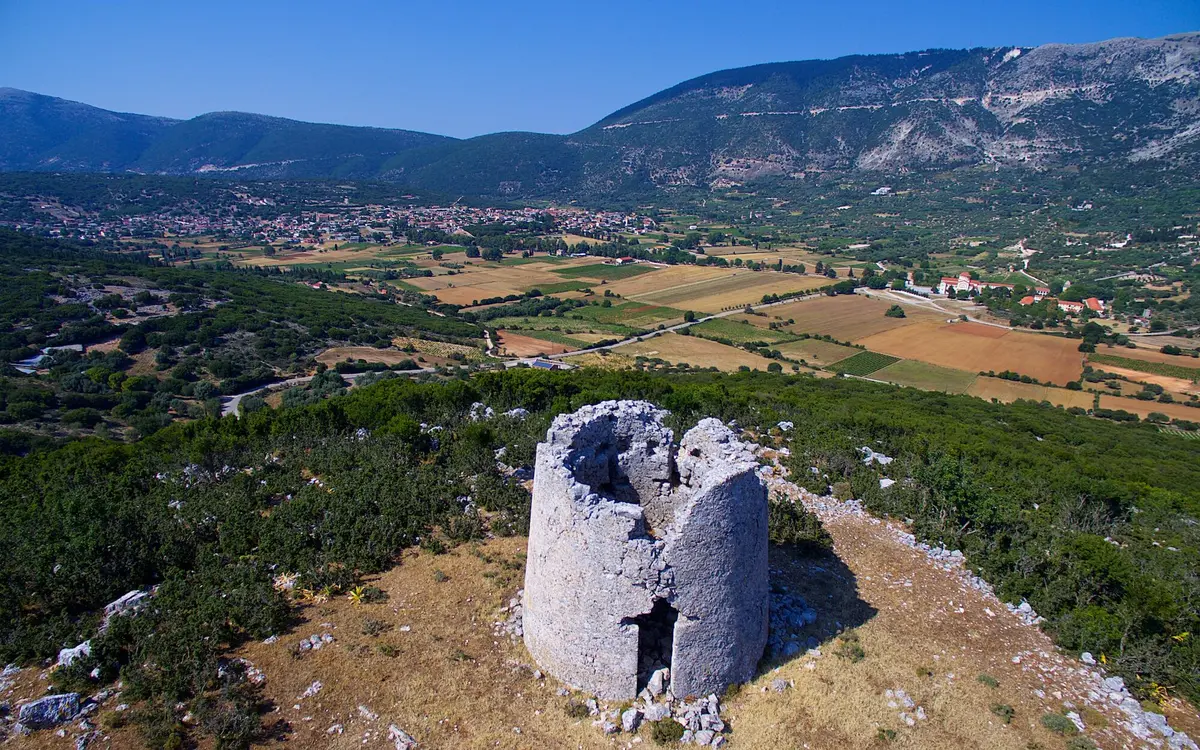
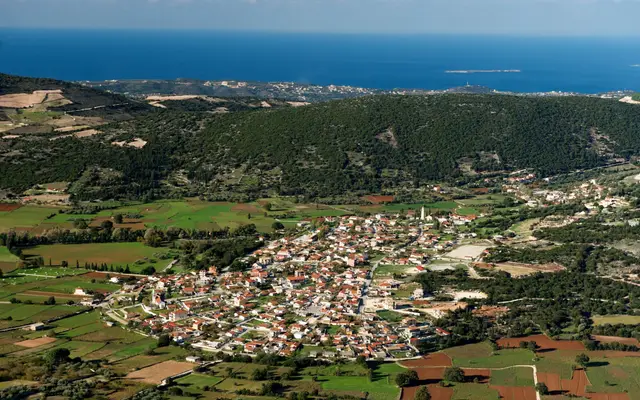
High in the middle of Kefalonia, beneath the dark slopes of Mount Ainos, lies a green valley of vineyards, fields and stone villages. This is the home of Robola, the island's own white wine — grown in soil so stony that the Italians called it vino di sasso, "wine of stone".
At a glance
- Type
- Wine region and mountain valley
- Area
- Omala plateau, below Mount Ainos
- Wine
- Robola PDO, dry white, since 1982
- Vineyards
- About 175–800 m above sea level
- Good for
- Wine tasting, the monastery, mountain views
The Omala valley
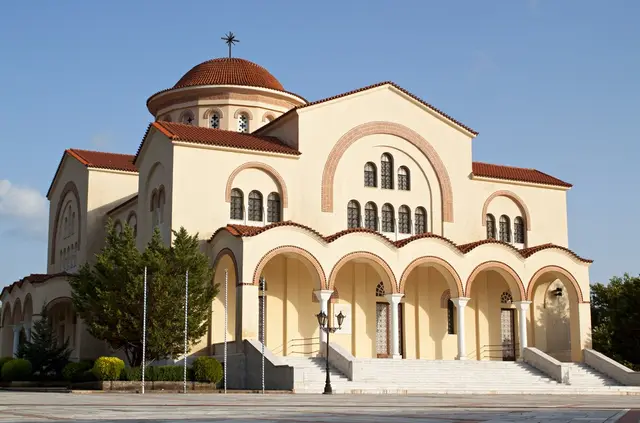
The Omala plateau (also written Omalos or Omali) lies at an average height of about 390 metres in the south-central part of the island, at the foot of Mount Ainos, which rises to 1,628 metres. The valley is a patchwork of vineyards, olive groves and fields, with villages such as Valsamata, Fragata, Michata and Agios Eleftherios around its edges. In the middle of it all stands the Monastery of Agios Gerasimos, the island's most important religious site.
Robola, the wine of stone
Robola is Kefalonia's signature grape and the most widely planted variety on the island. Since 1982 the dry white wine made from it has had its own protected designation of origin, PDO Robola of Kefalonia, which must be made entirely from Robola grapes grown within a defined zone of about 180 hectares.
That zone covers the Omala plateau and the western and north-western slopes of Mount Ainos, from about 175 to 800 metres above sea level. The soils are thin, poor and full of limestone, which is exactly what gives the wine its character: Robola is typically fresh, with lively acidity and a mineral, citrusy feel. Many vines on the mountain slopes are old and grow on their own roots rather than on grafted rootstock — something that has become rare in European vineyards.
Orealios Gaea, the Robola Cooperative
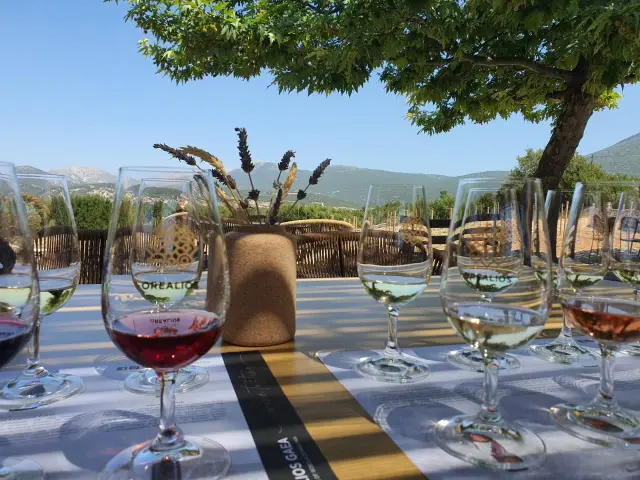
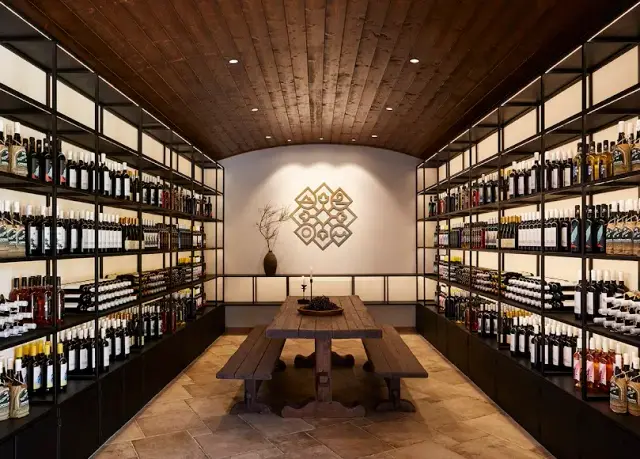
The largest producer is the Robola Cooperative of Kefalonia, founded in 1982 and known by its brand Orealios Gaea. Its winery in the Omala valley collects and processes the large majority of the Robola harvest — around 85% — from vineyards on steep, semi-mountainous slopes with gravelly limestone soils. Besides Robola, local growers also cultivate other traditional varieties such as Vostilidi, Muscat, Mavrodaphne and Zakynthino.
A visit to a winery here is the easiest way to taste the difference between Robola and other Greek whites, and to see how small the plots on the mountain really are.
Kefalonia's other wines
Robola is not the only protected wine on the island. Kefalonia also has designations of origin for Muscat of Kefalonia, a sweet white wine, and Mavrodaphne of Kefalonia, a sweet red. Several independent family wineries around the island make their own Robola and experiment with other local grapes.
Visiting the Omala valley
- Wineries: The Robola Cooperative and other wineries in the area welcome visitors for tastings; opening times vary by season, so check before you go.
- The monastery: The Monastery of Agios Gerasimos is right in the valley — dress modestly if you visit.
- Mount Ainos: A road climbs from the area towards the summit, through forests of the Kefalonian fir, with views over the island and the sea.
- The harvest: Late August and September is grape-picking season, when the valley is at its busiest and most beautiful.
Getting there
- By road: The Omala valley is in the centre of the island, a short drive inland from Argostoli and reachable from Sami across the mountains.
- On an excursion: Some island tours include a wine tasting at the Orealios Gaea winery and a stop at the monastery.
Good to know
- If you are tasting wine, plan who drives — the mountain roads are winding.
- Bottles of Robola make a good souvenir; wineries and shops in Argostoli sell them.
Questions about Robola Wine & the Omala Valley
What kind of wine is Robola?
A dry white wine made from the Robola grape, protected as PDO Robola of Kefalonia since 1982.
Where is Robola wine made?
On the Omala plateau and the slopes of Mount Ainos in central Kefalonia, between about 175 and 800 metres above sea level.
What is Orealios Gaea?
The brand of the Robola Cooperative of Kefalonia, founded in 1982, which processes most of the island's Robola harvest at its winery in the Omala valley.
Can you visit wineries in Kefalonia?
Yes. Several wineries, including the Robola Cooperative in the Omala valley, offer tastings; check opening times before you go.
Excursions with KCG Tours
Visit Robola Wine & the Omala Valley with us
Prices are "from" prices; live availability and final prices are on each tour page. See all our tours